
While most GPS disruption events are short-lived, they can affect navigation systems, chart plotters, AIS equipment, and other onboard technology that many sailors rely on every day. 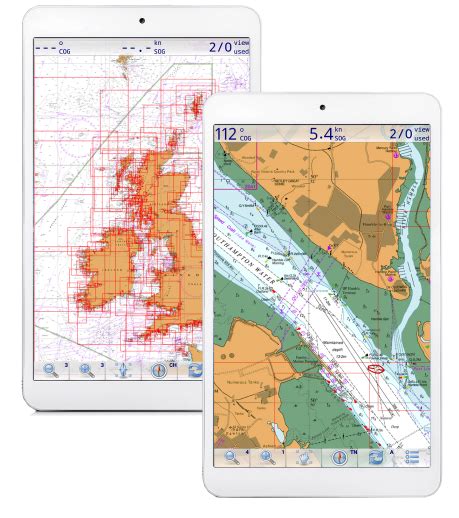
If disruption is reported in your area:
- Check official navigation warnings before departure.
- Ensure paper charts are available and up to date.
- Carry a compass and know how to use it.
- Make note of important waypoints, harbour approaches, and hazards before leaving.
- Monitor VHF broadcasts and local notices for updates.
- Allow extra time for navigation and pilotage, particularly in busy or unfamiliar waters.
- Cross-check information from multiple sources rather than relying on a single electronic system.
- If conditions deteriorate or uncertainty increases, consider delaying departure until normal service resumes.
Good seamanship has always been about preparedness and maintaining situational awareness. Technology is an invaluable aid, but it should never be the only source of information used to make decisions on the water.
 This is one of the reasons services such as Scan and Go are designed to bring together weather, tides, local information, warnings and navigation-related updates into a single view. When conditions are changing, having key information available in one place can help sailors spend less time searching across multiple websites and more time focusing on safe decision-making.
Ultimately, whether it's a weather warning, strong tides, reduced visibility, or temporary GPS disruption, the goal remains the same: make informed decisions before casting off and stay aware of changing conditions throughout your passage.
Scan and Go. Sail with confidence.